
Beyond Abs: Why Core Strength Matters More During Perimenopause and Menopause
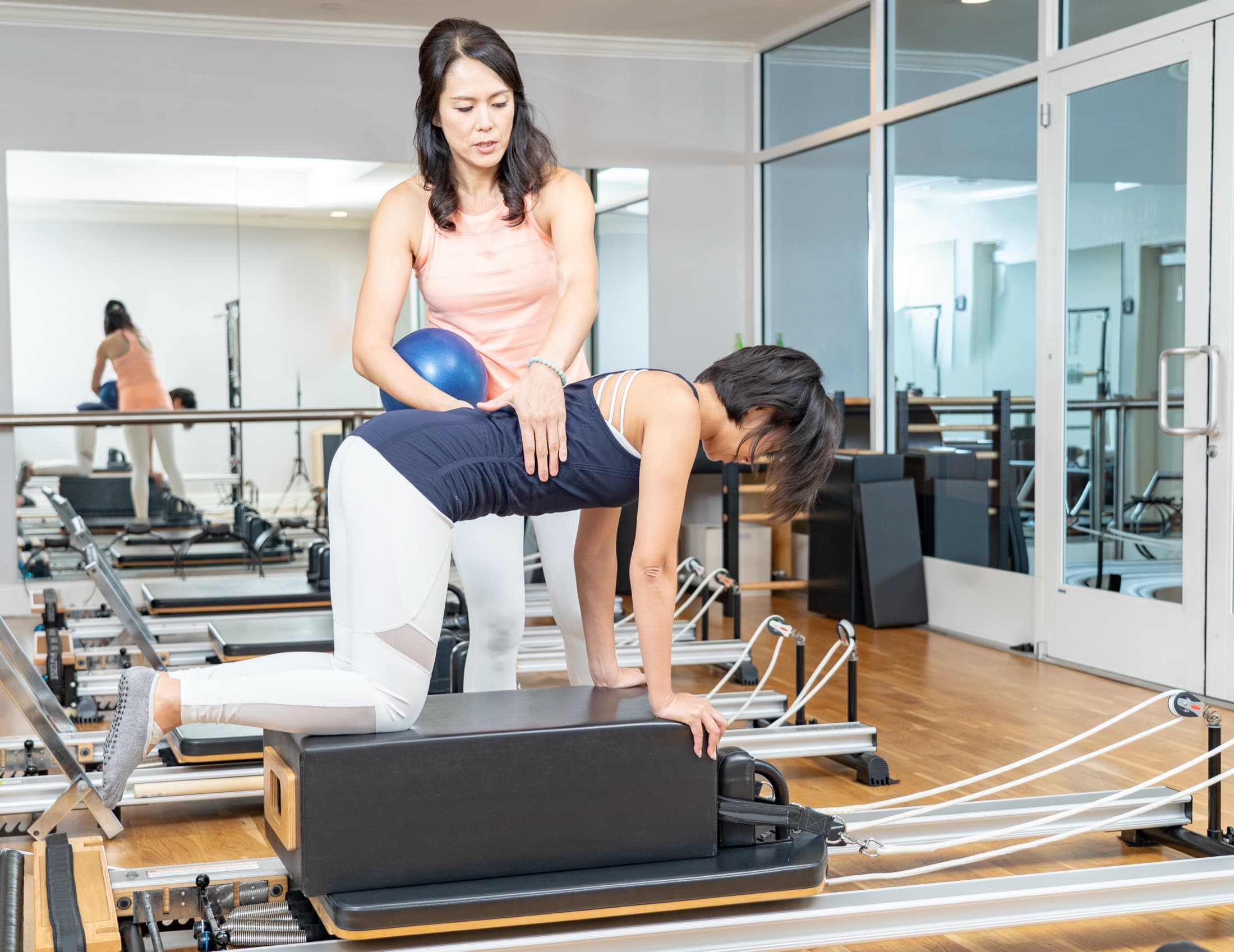
Most women don't think about their core until something that once felt automatic begins to demand their attention. Getting off the floor. Carrying groceries. Walking upstairs. Reaching into the back seat of the car. Catching yourself after tripping on a curb. These moments rarely seem important until they require more thought, more effort, or more confidence than they once did. They are also some of the clearest indicators of how well the body is functioning.
Perimenopause and menopause do not suddenly take those abilities away, but they do change the environment in which they occur. Declining estrogen influences muscle mass, connective tissue, bone density, recovery, and neuromuscular function. Stability, coordination, and recovery all become more important because the body has less margin for inefficient movement. At the same time, years of established movement habits become easier to recognize.
For decades, conversations about core strength have centered on appearance. During midlife, appearance becomes one of the least meaningful measures of core function. The core's real value lies in supporting the everyday actions that allow us to remain capable, confident, and independent. It is an integrated system that includes the diaphragm, pelvic floor, deep abdominal muscles, spinal stabilizers, and surrounding musculature. Those structures begin coordinating before movement is even visible.
Many women interpret feeling different as becoming weaker. Strength certainly changes during midlife, but that explanation rarely tells the whole story. The body adapts to repeated demand. Years spent sitting at a computer, looking down at a phone, avoiding uncomfortable positions, or relying on the same muscles gradually become established strategies. Hormonal changes often magnify those strategies rather than create them.
Adaptation explains why change often feels gradual instead of dramatic. Looking down before stepping off a curb. Holding your breath before lifting something heavy. Turning your entire body instead of rotating through your spine. Avoiding the floor because getting back up feels uncertain. These are not random habits. They are solutions the nervous system has developed to help the body feel safer and more predictable.
The challenge is that the body becomes exceptionally good at the strategies it repeats most often. If one area contributes less effectively, another usually assumes more of the workload. Larger muscles begin doing work that smaller stabilizing muscles were designed to share. The task still gets completed, making compensation easy to overlook until discomfort, fatigue, or instability become harder to ignore.
Women who have experienced pregnancy, C-sections, abdominal surgery, chronic pain, or years of compensation frequently describe feeling disconnected from their core. They know those muscles should be contributing, yet they cannot tell whether they are. That experience is more common than many people realize because efficient movement is as much a neurological process as it is a muscular one. The nervous system has simply learned a different strategy.
The ability to adapt also creates opportunity. The same nervous system that learns compensation can learn efficiency. The same body that adapts to prolonged sitting can adapt to purposeful movement. Learning does not stop during perimenopause or menopause. That is one reason Pilates is particularly well suited to this stage of life.
Pilates develops breathing, coordination, balance, stability, control, body awareness, and strength together because everyday function depends on those qualities working together. Many women recognize movement patterns they never realized they had until they begin moving with greater precision. Awareness becomes the first step toward replacing compensation with more efficient movement.
Breathing deserves special attention because the diaphragm is both the primary muscle of respiration and an essential component of the core. Every breath influences pressure within the trunk, spinal stability, pelvic floor function, and the body's ability to transfer force efficiently. Stress, prolonged sitting, pain, and anticipating discomfort all influence breathing patterns, which in turn influence how efficiently we move.
Progress during perimenopause and menopause often becomes most visible outside the studio. Getting off the floor without hesitation. Carrying groceries without your back becoming tired first. Recovering your balance after a stumble. Reaching into the back seat without bracing. Walking upstairs while thinking about where you're going instead of how your body feels. Those moments say far more about core function than visible abdominal muscles ever will.
Core strength extends far beyond the abdominal muscles. During perimenopause and menopause, it becomes increasingly important because it supports the movements that allow us to continue participating fully in everyday life. The body will continue adapting throughout life. Consistent, purposeful movement influences the direction of that adaptation, making every investment in core function an investment in future independence.
About the Author
Leora Conway is an executive leader, comprehensively certified Pilates teacher, and writer who examines the patterns that shape how people think, move, lead, and adapt. Drawing on more than two decades of experience across executive leadership, philanthropy, business strategy, marketing, communications, finance, and movement education, she blends evidence-informed research with real-world observation to reveal the often-overlooked systems influencing human behavior and performance. Her work helps readers see themselves more clearly, question long-held assumptions, and approach leadership, movement, and life with greater understanding.